


How Do Water Solenoid Valves Work in 2025?
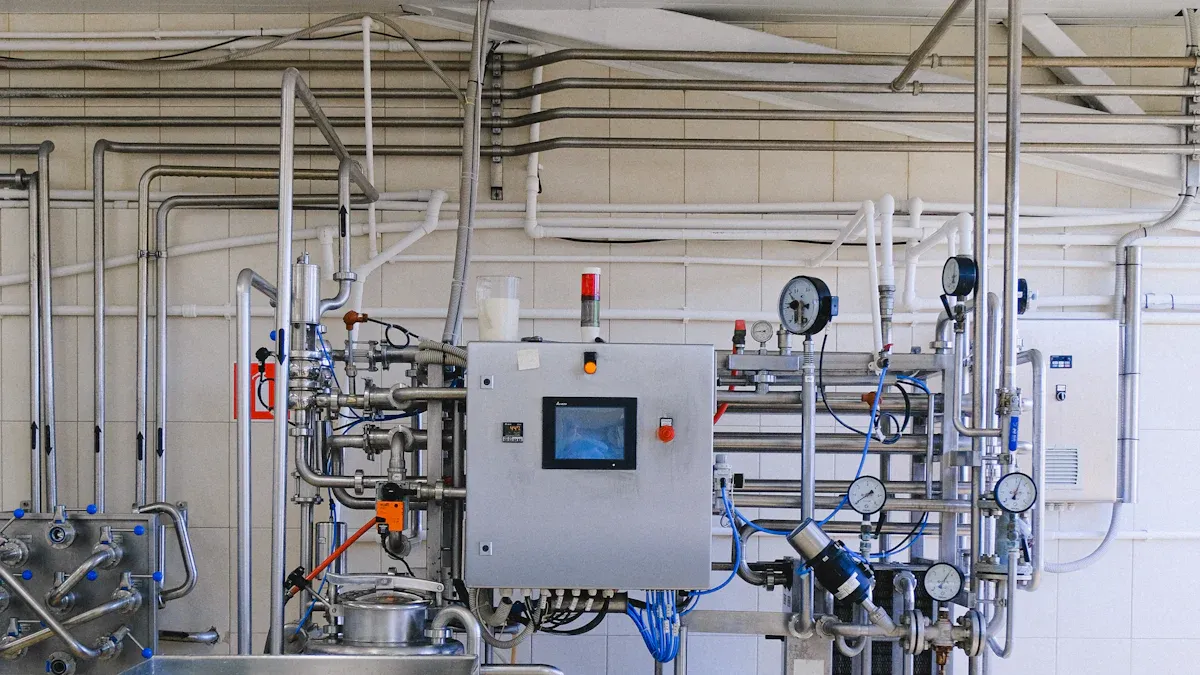
A Water Solenoid Valve controls fluid flow. The water solenoid valve definition states it converts electrical energy into mechanical motion. An electromagnetic coil moves a plunger. This movement opens or closes the valve. The direct acting water solenoid valve working princip involves this coil-plunger interaction. This electromechanical device enables automated and remote water flow control. For instance, a normally closed water solenoid valve remains shut without power. A Plastic Water Solenoid Valve offers durability in specific environments.
Key Takeaways
- A water solenoid valve uses electricity to control water flow. It opens or closes a path for water.
- The main parts of a Water Solenoid Valve are the coil, plunger, valve body, and spring. Each part helps the valve work.
- Normally Closed Valves stay shut without power. They open when electricity turns on. Normally open valves stay open without power. They close when electricity turns on.
- Water solenoid valves are useful in many places. These include irrigation systems, factories, and home appliances.
- Valves for drinking water must have special approval. This ensures they are safe and do not add bad things to the water.
The Fundamental Mechanism of a Water Solenoid Valve
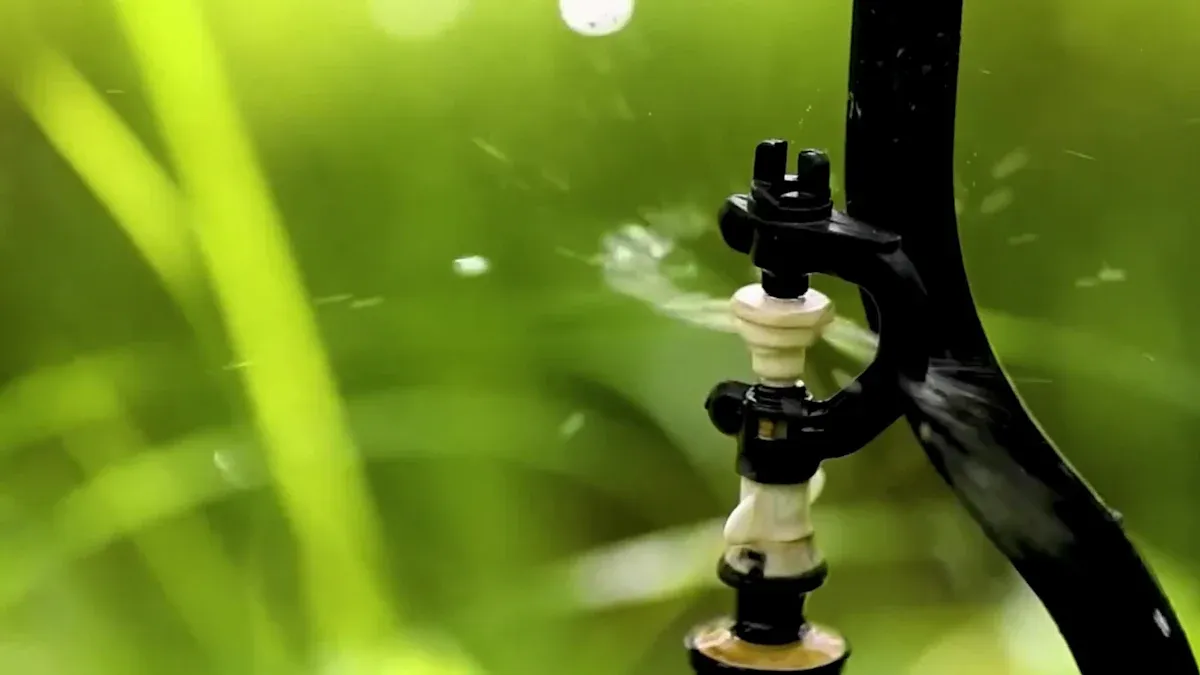
How Electrical Energy Initiates Movement
A Water Solenoid Valve uses electricity to start its action. The coil inside the valve acts like an electromagnet. It changes electrical energy into a magnetic force. This magnetic force then pulls on a metal part called a plunger. The coil is the power source for the valve. It creates the magnetic field needed for the valve to work. Understanding its electrical needs, like voltage and power, helps in choosing the right valve.
The amount of power a solenoid valve needs depends on the water pressure and the size of the opening. Direct-acting solenoid valves typically require more power than other types. Pilot-operated solenoids, however, use less energy. Here are some typical electrical requirements:
| Valve Type | Application | Inrush Power (VA) | Holding Power (VA) |
|---|---|---|---|
| 3/4-inch 150 psi sprinkler valve | 24 VAC residential systems | 7.2 | 4.6 |
| 1/2-inch 10,000 psi industrial valve | 12, 24, or 120 VAC high-pressure fluid/cryogenic applications | 300 | 22 |
The Role of the Plunger in Flow Control
The plunger is a key part inside the valve. The magnetic force from the coil pulls this plunger. This movement directly controls the flow of water. When the coil magnetizes the plunger, the plunger moves. This movement either opens a path for water or blocks it.
Plungers must be strong and resist corrosion. Manufacturers often use specific materials for them.
- Stainless steel 304 is a common material for plunger tubes in valve assemblies.
- Stainless steel is generally used for plungers in many solenoid valves.
- Brass plungers also appear in humidifier valve armatures.
Opening and Closing the Water Solenoid Valve
The movement of the plunger opens or closes the valve. When electricity flows through the coil, it creates a magnetic field. This field pulls the plunger. The plunger then moves away from the valve's opening, allowing water to flow. When the electricity stops, the magnetic field disappears. A spring then pushes the plunger back into its original position, closing the valve and stopping the water flow.
The speed at which a solenoid valve opens or closes is important. Some jobs need very fast responses, within milliseconds. Other jobs can handle slower actions. Direct-acting valves are known for their quick operation.
| Type of Solenoid Valve | Typical Operation Time (Opening/Closing) |
|---|---|
| Direct-Acting Solenoid Valve | 5 to 10 milliseconds |
| Pilot-Operated Solenoid Valve | 15 to 150 milliseconds |
Direct-acting solenoid valves respond very quickly, usually within 5 to 10 milliseconds. This makes them good for tasks needing fast action. Pilot-operated solenoid valves are slower. Their response times range from 15 to 150 milliseconds.
Key Components of a Water Solenoid Valve
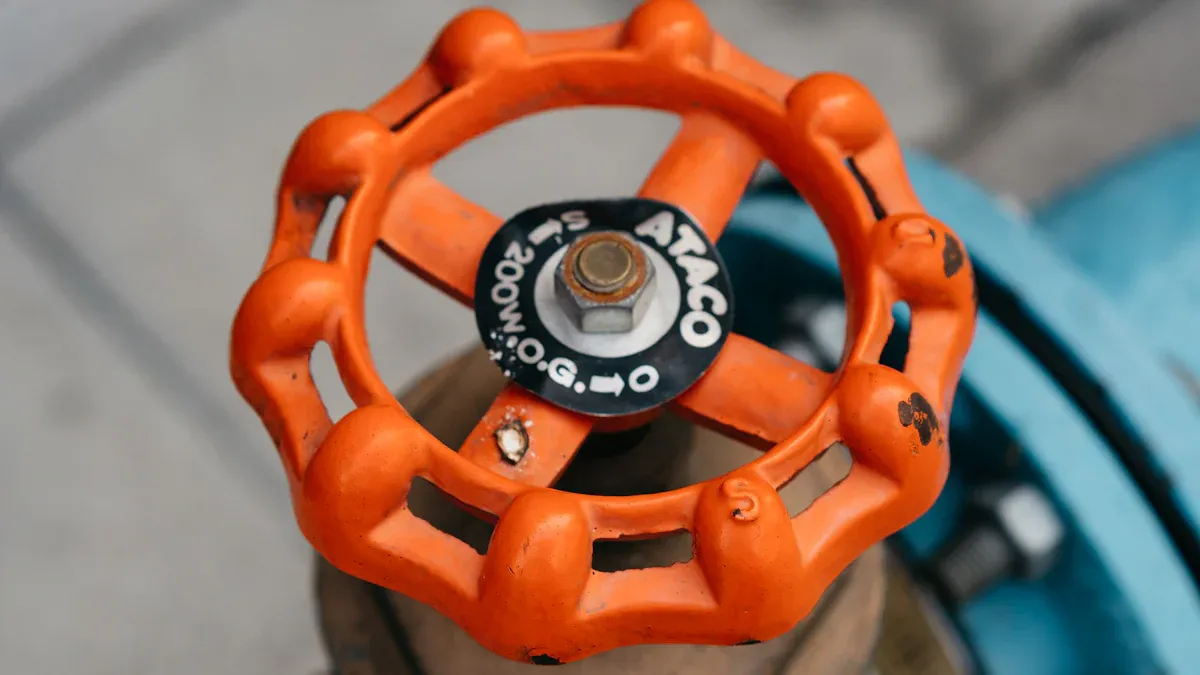
A Water Solenoid Valve relies on several key parts working together. Each component plays a vital role in controlling water flow. Understanding these parts helps explain how the valve operates effectively.
The Solenoid Coil and Its Function
The solenoid coil is the electrical heart of the valve. It consists of many turns of wire wrapped around a core. When electricity flows through this coil, it creates a magnetic field. This magnetic field is essential for moving the valve's internal parts. The coil converts electrical energy into the mechanical force needed to open or close the valve.
However, solenoid coils can experience problems. Several factors can lead to their failure. For example, incorrect voltage or frequency can damage the coil. Moisture entering the coil can cause a short circuit. High friction in the plunger, often from dirt or damage, can also stress the coil. Additionally, high temperatures from the fluid or the surrounding environment can exceed the coil's operational limits, leading to failure.
| Probable Cause | Description of Failure Mode |
|---|---|
| Incorrect voltage/frequency | The coil receives power outside its specified range. |
| Coil short circuit (possibly fluid) | An electrical short occurs within the coil, potentially due to moisture ingress. |
| High friction in the plunger | The internal moving part (plunger) experiences excessive resistance, often from dirt, damage, or bending. |
| High medium temperature | The fluid passing through the valve is too hot for the coil's specifications. |
| High ambient temperature | The surrounding environment's temperature exceeds the coil's operational limits. |
The Plunger or Armature
The plunger, also known as the armature, is a movable metal rod or disc located inside the solenoid coil. When the coil energizes, its magnetic field pulls or pushes the plunger. This movement directly controls the opening or closing of the valve's orifice. The plunger acts as the gatekeeper for water flow. Manufacturers select specific materials for plungers to ensure strength and resistance to corrosion. Stainless steel 304 is a common material for plunger tubes. Many solenoid valves use stainless steel for the plungers themselves. Brass plungers also appear in some applications, such as humidifier valve armatures.
The Valve Body and Orifice
The valve body is the main housing of the solenoid valve. It contains all the internal components and provides the pathways for water to flow. The body must withstand the pressure and temperature of the water it controls. Manufacturers use various materials for valve bodies, depending on the application and the type of fluid.
Common materials for valve bodies include:
- WCB cast steel
- 304 stainless steel
- 316 stainless steel
- 316L stainless steel
- Cast iron
- Plastic
- Carbon steel
Some solenoid valves also feature linings of fluorine, rubber, or plastic. These linings protect the valve body when handling corrosive liquids.
Different materials offer various benefits:
| Material | Characteristics & Benefits |
|---|---|
| 316SS | Offers the most chemical compatibility with different media, but is a premium, harder-to-machine material, leading to higher cost. |
| Brass | Softer metal, easier and quicker to machine, but has less chemical compatibility than stainless steel. |
| Aluminum | Easy to machine, similar chemical compatibility to Brass, sometimes requires plating for corrosion prevention. Typically the most cost-effective. |
| 303SS | Softest stainless steel, easy to machine and cost-effective. Can be as cost-effective as Brass in volume. |
| 304SS | Harder than 303SS, making it more difficult and costly to machine. Offers slightly better chemical compatibility than 303SS. |
| 430FSS | Magnetic stainless steel, enhances the magnetic field around the coil. Often used for Cryogenic valves. |
The orifice is the opening within the valve body that the plunger seals. Water flows through this opening when the valve is open. Solenoid valves typically feature relatively small orifice openings compared to their pipe connections. These orifices can range from fractions of a millimeter in miniature valves to several millimeters in larger models. The orifice's size defines the diameter of the passage sealed by the plunger. For example, Spartan Scientific Series 3580 valves have a 1/2 inch orifice. The Spartan Scientific Series 3585 also features a 1/2 inch (12.5 mm) orifice.
The Spring Mechanism
The spring mechanism plays a crucial role in a water solenoid valve. It ensures the valve returns to its default position when power is not present. This small but vital component works in opposition to the magnetic force created by the solenoid coil.
In a normally closed valve, the spring holds the plunger down. This action keeps the valve sealed and prevents water flow. When the coil energizes, it pulls the plunger upwards. This movement compresses the spring. Once the electrical power stops, the magnetic field disappears. The compressed spring then pushes the plunger back down. This action closes the valve again.
Conversely, in a normally open valve, the spring holds the plunger in an open position. This allows water to flow freely when the valve has no power. When electricity activates the coil, the magnetic force pulls the plunger. This movement overcomes the spring's force. The plunger then moves to block the water path. When the power cuts off, the spring expands. It pushes the plunger back to its original open state.
Manufacturers carefully select the material and strength of the spring. These choices ensure reliable operation over many cycles. Common materials for springs include:
- Stainless Steel: Offers excellent corrosion resistance and durability.
- Phosphor Bronze: Provides good elasticity and fatigue resistance.
A spring's strength must match the valve's design. A spring that is too weak might not close a normally closed valve effectively. A spring that is too strong might require excessive electrical power to open a normally closed valve.
Over time, springs can experience fatigue. This means they lose some of their original strength. A weakened spring can lead to valve malfunctions. For example, a normally closed valve might not seal completely. This could cause a slow leak. Regular maintenance or replacement of the spring can prevent such issues. The spring's consistent performance is essential for the valve's overall reliability and precise water control.
Tip: A properly functioning spring ensures the valve reliably returns to its safe, default position, preventing unintended water flow or leakage.
Normally Closed Water Solenoid Valve Operation
Default State Without Power
A normally closed water solenoid valve remains shut when it receives no electrical power. This is its default state. A spring inside the valve pushes the plunger down. This action seals the valve's orifice. Water cannot flow through the valve in this condition. This design ensures safety. If power fails, the valve automatically stops water flow. This prevents accidental flooding or continuous operation.
How Power Opens the Water Solenoid Valve
When electricity flows to a normally closed water solenoid valve, the coil energizes. The energized coil creates a magnetic field. This magnetic field pulls the plunger upwards. The plunger moves away from the valve's orifice. This movement opens the valve. Water can then flow through the valve. When the power supply stops, the magnetic field disappears. The spring then pushes the plunger back down. This closes the valve again. The valve's quick response ensures precise control over water flow.
Common Applications for Normally Closed Valves
Normally closed valves are very common in many systems. They are ideal for applications where water flow needs to be off by default. For example, irrigation systems often use these valves. They keep water off until the system needs to water plants. Washing machines and dishwashers also use normally closed valves. They control the water supply to the appliance. A Normally Closed Water Solenoid Valve can handle a wide range of pressures. Some valves operate from0.5 to 190 PSI. Other models can manage a working pressure of 232 psi (16 bar). This makes them suitable for various industrial and residential uses.
Normally Open Water Solenoid Valve Operation
Default State Without Power
A normally open water solenoid valve allows water to flow when it has no electrical power. This is its natural state. A spring inside the valve holds the plunger in an open position. This keeps the valve's orifice clear. Water can pass through the valve freely in this condition. This design ensures continuous flow unless an electrical signal stops it.
How Power Closes the Water Solenoid Valve
When electricity reaches a normally open valve, the coil becomes energized. This energized coil creates a magnetic field. The magnetic field pulls the plunger. This action overcomes the spring's force. The plunger moves to block the valve's opening. This closes the valve. Water flow stops. When the power supply cuts off, the magnetic field disappears. The spring then pushes the plunger back. This returns the valve to its open state.
Specific Use Cases for Normally Open Valves
Normally open valves are useful in systems where continuous flow is the default. They work well in cooling systems. They also suit safety systems. These systems need water flow unless a problem occurs. For example, a cooling system might need constant water circulation. The valve closes only if a sensor detects an issue.
The flow rate of solenoid valves shows their flow capacity. This is the Cv (flow coefficient) value. A larger orifice size generally leads to higher flow rates. For instance, a 3/8 inch normally open Water Solenoid Valve has a flow rate of Cv=0.71. Here are typical flow rates for various port sizes:
| Port (NPT) | Flow Rate (Cv) |
|---|---|
| 3/8″ | 4.8 |
| 1/2″ | 4.8 |
| 3/4″ | 7.6 |
| 1″ | 12 |
| 1-1/4″ | 24 |
| 1-1/2″ | 29 |
| 2″ | 48 |
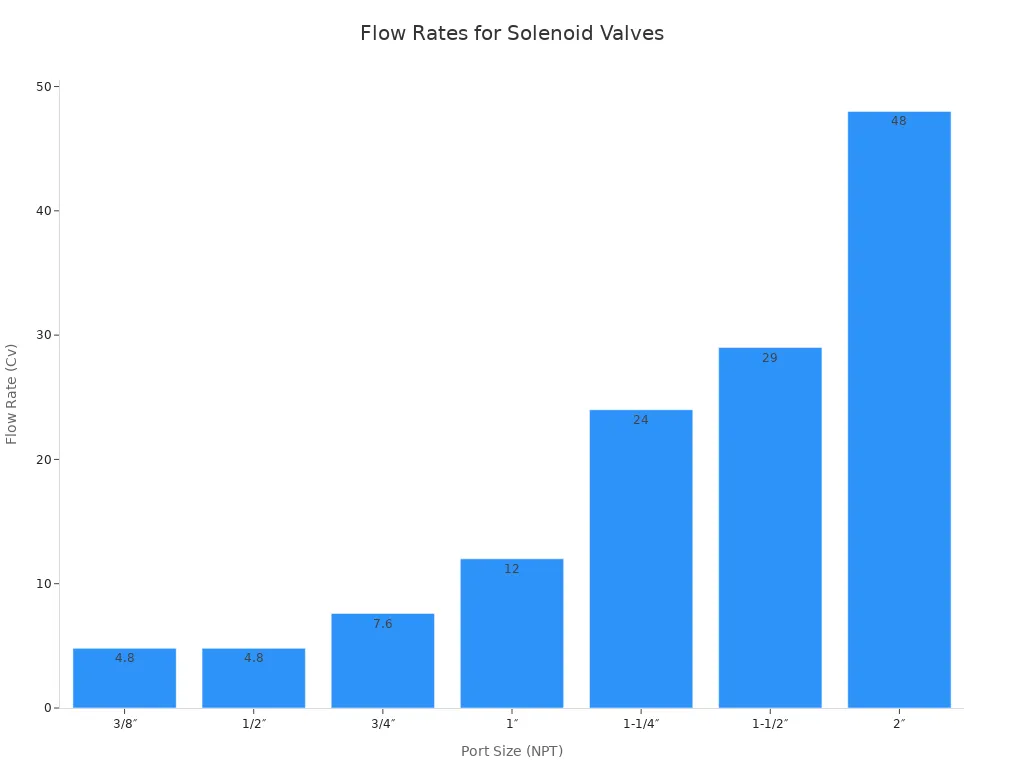
This chart visually represents how flow capacity increases with larger port sizes.
Practical Applications of Water Solenoid Valves
Water solenoid valves are crucial in many modern systems. They provide precise and automated control over water flow. Their versatility makes them valuable across various sectors.
Automated Irrigation Systems
Automated irrigation systems rely heavily on water solenoid valves. These valves control the flow of water to different zones in a garden or farm. A central controller sends electrical signals to open or close specific valves. This allows for efficient watering schedules. Water solenoid valves in irrigation systems, often called sprinkler valves, typically last 10 to 15 years. However, the valve type and how often people use the system affect this duration. Good maintenance of the sprinkler system helps these valves last longer.
Industrial Water Control
Industries use water solenoid valves for many control tasks. They manage water in manufacturing processes, cooling systems, and wastewater treatment. For applications involving potable drinking water, NSF61 approval is a critical industry standard. This certification ensures valve materials do not release harmful contaminants. Valves with NSF61 approval are common in drinking water systems and water dispensers. For non-potable water systems, NSF61 approval is not usually required. However, selecting materials compatible with the water's properties is important. Other general industry standards for solenoid valves include:
- CE marking
- RoHS compliance
- ISO 9001 manufacturing standards
These certifications ensure safe operation and reduce failure risks.
Appliance Water Supply
Many household appliances use water solenoid valves. Washing machines, dishwashers, and refrigerators with ice makers all have them. These valves control the exact amount of water needed for each cycle or function. They open to let water in and close to stop the flow. Appliance water supply solenoid valves typically need a minimum water pressure of 20 PSI. If the pressure drops below this level, the valve may not seal correctly. This can lead to leaks.
Water Solenoid Valves precisely regulate water flow. They convert electrical signals into mechanical motion for this control. Their effective operation relies on the solenoid coil, plunger, and valve body. Understanding the differences between normally closed and normally open types is crucial for their correct application. These versatile Water Solenoid Valves are essential for modern automated water management systems.
FAQ
What is a water solenoid valve's main purpose?
A water solenoid valve controls water flow. It uses an electrical signal to open or close a pathway. This allows for automated and precise water management in various systems.
What is the difference between normally open and normally closed valves?
A normally closed valve stays shut without power. It opens when electricity flows. A normally open valve stays open without power. It closes when electricity flows.
How long do water solenoid valves typically last?
Water solenoid valves usually last 10 to 15 years. This depends on the valve type and how often people use it. Proper maintenance helps extend their lifespan.
Can I use any solenoid valve for drinking water?
No, not all solenoid valves are suitable for drinking water. Valves used for potable water need NSF61 approval. This certification ensures they do not release harmful substances into the water.