


When should you choose a pulse over a pilot-operated steam solenoid valve?
Your choice between a pulse (direct-acting) or a pilot operated steam solenoid valve depends on specific needs. You consider factors like pressure, flow rate, response time, and power efficiency. Understanding these differences is crucial for optimal system performance and selecting the right steam solenoid valve. For example, a Brass Water Solenoid Valve suits certain applications. A High-Temperature Water Solenoid Valve might be necessary for others. High Temperature Hot Water Solenoid Valves also have their ideal uses.
Key Takeaways
- pulse valves work best for small steam flows and low pressure. They open very fast.
- Pilot-operated valves are good for large steam flows and high pressure. They save energy.
- Pulse valves use more power. They are simple and cost less to buy.
- Pilot-operated valves need a minimum pressure to work. They have a slower response time.
- Choose the right valve based on your system's pressure, flow, and speed needs.
Pulse (Direct-Acting) Steam Solenoid Valve: Mechanism and Characteristics
How Pulse Steam Solenoid Valves Operate
Pulse, or direct-acting, steam solenoid valves work simply. When electricity flows through the coil, it creates a magnetic field. This field pulls a moving ferromagnetic core, also known as a plunger or armature. The core then moves a stem, which connects to the valve's closing element, like a disc or diaphragm. This direct action opens or closes the valve's main orifice. A core spring brings the core back to its original spot when the power turns off. A core tube guides the core's movement, and a fixed core helps amplify the magnetic force. This design ensures a quick and direct response to electrical signals.
Advantages of Pulse Steam Solenoid Valves
These valves offer several benefits. They are simple in design, which often means they cost less to buy and maintain. Their direct action allows them to operate even with zero or very low pressure differences across the valve. This makes them ideal for applications where system pressure might not be consistent. They also provide a very fast response time, which is crucial for precise control in certain processes. Their straightforward mechanism means fewer parts, potentially leading to greater reliability in specific conditions.
Disadvantages of Pulse Steam Solenoid Valves
Despite their advantages, pulse Steam Solenoid Valves have limitations. They typically handle smaller flow rates and line sizes because the solenoid must directly overcome the fluid pressure to open the valve. This direct action also means they usually consume more power, especially for larger valve sizes, compared topilot-operated types. Common issues can arise, such as the valve not opening properly or only opening partially. Sometimes, you might hear a humming noise, or the solenoid coil could burn out. Leaking and overheating are also possible problems. The valve might even get stuck due to debris, corrosion, damaged internal parts, or electrical issues. High temperatures or pressure fluctuations can also cause opening or closing failures.
Pilot-Operated Steam Solenoid Valve: Mechanism and Characteristics
How Pilot-Operated Steam Solenoid Valves Operate
Pilot-operated steam solenoid valves work differently. They use the system's own pressure to help open or close the main valve. When the coil energizes, it opens a small pilot orifice. This action releases pressure from above a diaphragm or piston. The pressure difference then pushes the diaphragm or piston up, opening the main valve. When the coil de-energizes, the pilot orifice closes. Pressure builds up again above the diaphragm, pushing it down to close the main valve. This two-stage process allows a small solenoid to control a much larger flow.
Advantages of Pilot-Operated Steam Solenoid Valves
These valves offer significant benefits. They can handle much higher pressures and larger flow rates than direct-acting valves. This makes them suitable for heavy-duty industrial applications. They also use less electrical power to operate the coil. This is because the solenoid only needs to open a small pilot orifice, not the entire main valve. Their design often allows for larger port sizes, which helps with high flow demands. A pilot-operated steam solenoid valve is a good choice for efficiency in bigger systems.
Disadvantages of Pilot-Operated Steam Solenoid Valves
However, pilot-operated valves also have some drawbacks. They require a minimum pressure differential to operate correctly. If the pressure difference across the valve is too low, the valve might not open or close fully. They also tend to have a slower response time compared to direct-acting valves. This is due to the two-stage operation. Their design is more complex, which can sometimes lead to higher initial costs and more involved maintenance. Debris in the steam can also clog the small pilot orifice, causing the valve to malfunction.
Pressure Requirements for Steam Solenoid Valves
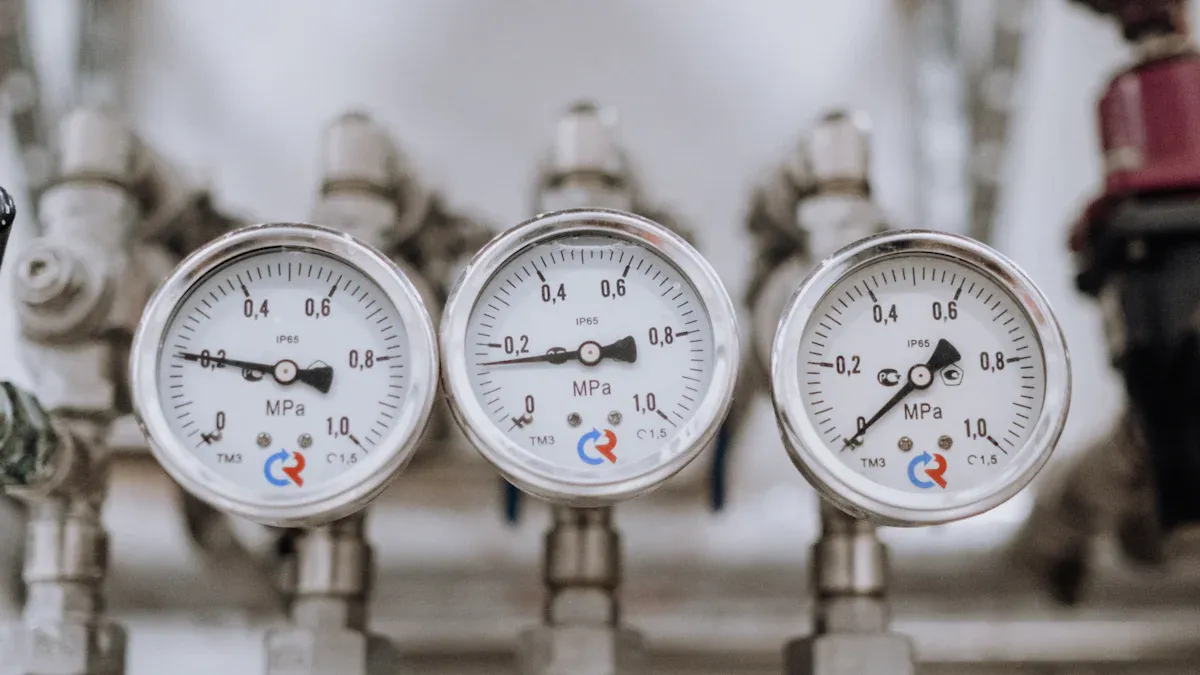
The pressure within your system plays a big role in choosing the right valve. Different steam solenoid valves handle pressure in unique ways. Understanding these differences helps you pick the best option for your setup.
Pulse Steam Solenoid Valves for Zero and Low Pressure
Pulse, or direct-acting, steam solenoid valves are excellent for systems with very little or no pressure. They do not rely on the system's pressure to open or close. Instead, the solenoid coil directly moves the valve's internal parts. This means they work perfectly even when there is no pressure difference across the valve. Imagine a tank that is almost empty or a line where steam flow just begins. A pulse valve can still operate reliably in these conditions. This makes them a go-to choice for applications where pressure might fluctuate or remain consistently low.
Pilot-Operated Steam Solenoid Valves for Higher Pressure
Pilot-operated steam solenoid valves, on the other hand, need a certain amount of pressure to function correctly. These valves use the system's own pressure to help them open and close. They require a minimum operating pressure differential. This means a specific difference in pressure must exist between the valve's inlet and outlet ports. This pressure difference helps the valve shift between its open and closed positions. For example, some pilot-operated valves, like the 2L Series 2/2 Direct Lift Piston Normally Closed Solenoid Valve, need at least 7 PSI of differential operating pressure. Without this minimum pressure difference, the valve might not fully open or close. Therefore, you typically find these valves in systems that maintain higher and more consistent pressure levels.
Flow Capacity and Line Size Considerations for Steam Solenoid Valves
The amount of steam your system needs to move, or its flow capacity, directly influences your valve choice. The size of your pipes also plays a crucial role. Different valve types handle these factors in distinct ways.
Pulse Steam Solenoid Valves for Smaller Flow Rates
Pulse, or direct-acting, steam solenoid valves are best for applications with smaller flow rates and line sizes. The solenoid coil directly lifts a plunger to open the valve's main orifice. This direct action means the solenoid must be strong enough to overcome the steam pressure across the entire opening. As the valve's port size increases, the force needed to open it also grows significantly. This limits how large these valves can be.
For example, consider the typical Cv values for pulse steam solenoid valves:
| Port Size | Cv Value |
|---|---|
| 1" | 12 |
| 1-1/4" | 24 |
| 1-1/2" | 29 |
| 2" | 48 |
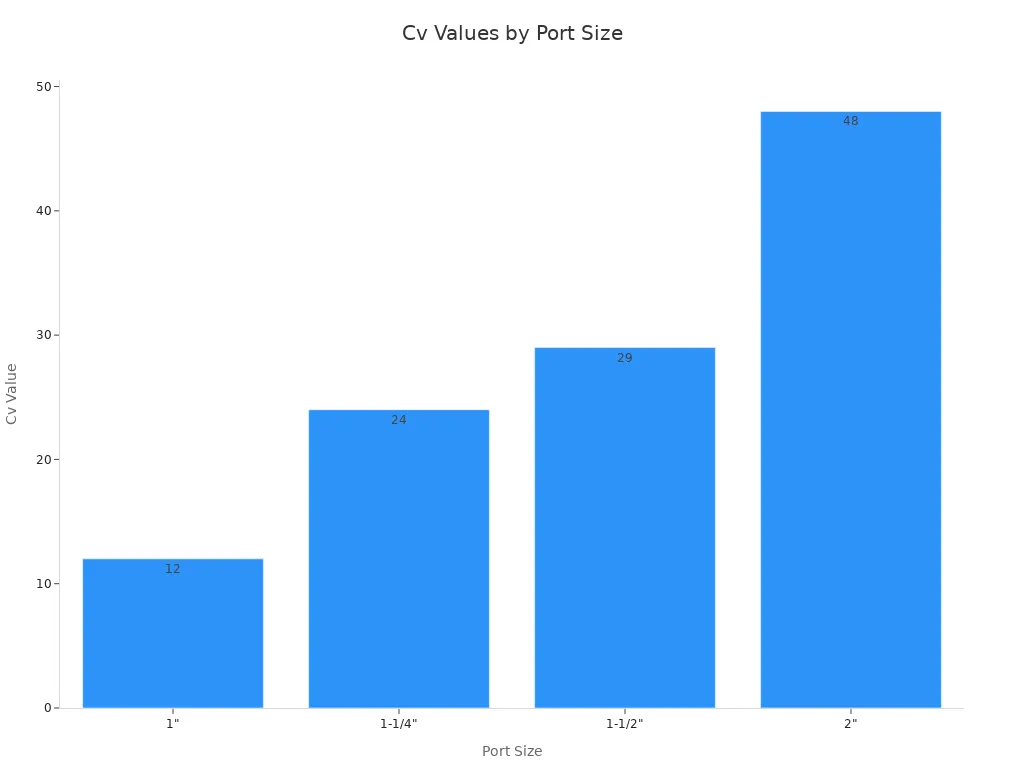
These values show that while flow capacity increases with port size, direct-acting valves are generally suited for moderate flow demands. They work well in systems where you do not need to move a large volume of steam quickly.
Pilot-Operated Steam Solenoid Valves for Larger Flow Rates
Pilot-operated steam solenoid valves excel in systems requiring larger flow rates and bigger line sizes. These valves use a clever two-stage process. A small pilot solenoid opens a tiny orifice, which then uses the system's own pressure to open a much larger main valve. This design means a relatively small electrical coil can control a substantial flow of steam. They can handle pipe diameters that would be impractical for a direct-acting valve. If your application involves moving a lot of steam through larger pipes, a pilot-operated valve is usually the more efficient and effective choice. They are ideal for main steam lines or processes needing high volume control.
Response Time and Cycling Speed of Steam Solenoid Valves
The speed at which a valve opens and closes matters a lot in many systems. Different types of steam solenoid valves offer distinct response times. This affects how quickly your system can react to changes.
Pulse Steam Solenoid Valves for Fast Response
Pulse, or direct-acting, steam solenoid valves are champions of speed. They react almost instantly to an electrical signal. The solenoid directly moves the valve's internal parts. This direct action allows for very rapid opening and closing. For example, a valve like the V-032 solenoid valve completes its actions within milliseconds. Some solenoid valves can even move their plunger from an open to a closed position in as little as 0.1 milliseconds. Generally, these valves achieve their full open or closed state within milliseconds to several seconds. This makes them ideal for applications needing precise timing and quick, repetitive cycles.
Pilot-Operated Steam Solenoid Valves for Slower Response
Pilot-operated steam solenoid valves take a bit longer to respond. They use a two-stage process. First, a small pilot valve opens. Then, system pressure helps open the main valve. This sequence adds a slight delay. Therefore, pilot-operated valves are not as quick as direct-acting types. Their response time is typically slower, often measured in hundreds of milliseconds or even seconds. This slower speed is usually acceptable for many industrial tasks. These tasks do not require immediate, split-second action. For instance, controlling a large steam line where flow changes are not extremely time-sensitive works well with these valves.
Power Consumption and Energy Efficiency of Steam Solenoid Valves
The power a steam solenoid valve uses directly impacts your operating costs. Different valve types have distinct power demands. Understanding these differences helps you make an energy-smart choice.
Pulse Steam Solenoid Valve Power Demands
Pulse, or direct-acting, steam solenoid valves typically demand more power. Their coil must generate a strong magnetic field. This field directly pulls the plunger to open the valve against the steam pressure. Larger valve openings require even more power from the coil. The coil remains energized as long as the valve stays open. This continuous power draw can lead to higher electricity bills. It also generates a lot of heat. This heat can sometimes cause the coil to burn out, especially if the valve cycles frequently or stays open for extended periods.
Pilot-Operated Steam Solenoid Valve Power Efficiency
Pilot-operated steam solenoid valves are generally more energy-efficient. Their solenoid only needs to open a small pilot orifice. This action releases pressure, allowing the system's own steam pressure to open the main valve. This design requires much less electrical power for the coil. You save energy, especially when the valve needs to stay open for long periods. This makes them a smart choice for applications focused on reducing operational costs. A pilot-operated steam solenoid valve uses power wisely, making it a cost-effective option for many industrial processes.
Design Complexity, Cost, and Maintenance of Steam Solenoid Valves
Simplicity and Cost of Pulse Steam Solenoid Valves
Pulse, or direct-acting, steam solenoid valves are known for their straightforward design. This simplicity often translates into a lower initial purchase cost. Their fewer moving parts also make them generally easier to maintain. However, even simple valves need proper care. Before installation, you should always ensure the power supply matches the coil's specifications. Make sure the coil has proper ventilation to expel heat and is not powered until securely mounted. You should also check for and dry any moisture inside the coil. If you see damaged or bent armatures, replace them. Always confirm media compatibility.
When leaks happen, inspect seals, O-rings, and membranes for damage or wear. Replace them if necessary. Clean any dirt particles or contaminants from pipe connections and valve openings. If a valve stops working, first figure out its type. Semi-direct valves, for example, need differential pressure. Ensure the flow and pressure specifications match the manufacturer's limits. Also, check for back pressure from clogged filters in the piping system.
Deciding whether to repair or replace a valve depends on several factors. While mechanical parts are often repairable, some maintenance engineers prefer replacing valves to avoid system breakdowns. This can increase inventory costs. For simple designs, replacing the valve might be cheaper than repairing it. However, for intricate designs with costly materials, repair is usually better. Manufacturers offer replacement part kits. A good rule of thumb: repair rubber parts and springs if they are damaged. If other parts show wear, it is time for a new steam solenoid valve. Regular checks are also important. Daily, listen for unusual noises and check air pressure. Weekly, visually inspect components and test pulse strength. Monthly, do a full visual inspection of diaphragms, solenoids, and seals. Annually, perform a complete overhaul, replacing diaphragms and deep cleaning valve assemblies.
Complexity and Cost of Pilot-Operated Steam Solenoid Valves
Pilot-operated steam solenoid valves feature a more complex design. They use a two-stage operation, which means they have more internal components than direct-acting valves. This increased complexity often leads to a higher initial purchase cost. Their intricate mechanism also means maintenance can be more involved. The small pilot orifice, crucial for their operation, can sometimes clog with debris from the steam, leading to malfunctions. This requires careful attention during maintenance to ensure these tiny passages remain clear. While they are efficient in power use, their design demands a different approach to upkeep compared to their simpler counterparts.
Optimal Scenarios for Each Steam Solenoid Valve Type
Choosing the right steam solenoid valve makes a big difference in how well a system works. Each type has its strengths. Understanding these strengths helps you pick the best valve for your specific needs.
When to Choose a Pulse Steam Solenoid Valve
Pulse, or direct-acting, steam solenoid valves are perfect for certain situations. You should choose them when your system needs a very fast response. For example, if you need precise control over small amounts of steam, these valves react almost instantly. They are also the best choice for applications with zero or very low pressure. This means they work well in systems where pressure might not always be high enough to operate other valve types.
Consider using a pulse steam solenoid valve for:
- Quick Cycling Applications: Processes that need rapid, repeated opening and closing benefit from their speed.
- Low-Pressure Environments: They operate reliably even when there is no pressure difference across the valve.
- Smaller Flow Rates: These valves handle smaller pipe sizes and lower volumes of steam effectively.
- Precise Dosing: When you need to release exact, small amounts of steam, their quick action is ideal.
Many industries see great benefits from using pulse steam solenoid valves in the right places. They offer efficiency and reliability. Their versatility helps simplify complex manual processes. This leads to enhanced productivity and improved safety across various sectors. Their fast actuation times mean systems respond quickly. They also often have reduced maintenance needs and lower energy consumption compared to older mechanical alternatives. For instance, in food processing systems, these valves can significantly enhance overall productivity. They provide the quick, precise control often needed in such environments.
When to Choose a Pilot-Operated Steam Solenoid Valve
Pilot-operated steam solenoid valves shine in different scenarios. They are the go-to choice for systems that handle high pressures and large volumes of steam. If you have big pipes and need to move a lot of steam, these valves are very effective. They use the system's own pressure to help open and close the main valve. This design allows them to control much larger flows with less electrical power.
You should opt for a pilot-operated steam solenoid valve when:
- High-Pressure Systems: They are built to manage the forces of high-pressure steam.
- Large Flow Requirements: These valves can handle significant volumes of steam through larger pipelines.
- Energy Efficiency is Key: Their design uses less electricity to operate the coil, saving energy over time.
- Slightly Slower Response is Acceptable: If your process does not demand split-second timing, their slightly slower response is usually fine.
These valves are crucial for many industrial applications. They contribute to improved operational efficiency. Businesses often see reduced downtime because these robust valves handle demanding conditions well. They also offer enhanced control precision for large-scale operations. This makes them a smart investment for heavy-duty steam control.
Choosing the best steam solenoid valve for your system requires careful thought about its specific needs. You should always prioritize key factors like pressure, the rate of steam flow, how quickly the valve responds, and its power consumption. Matching the correct valve type to your application ensures both efficiency and long-term reliability.
FAQ
Why do pulse steam solenoid valves work well with low pressure?
Pulse valves directly open the main orifice. They do not need system pressure to operate. This makes them reliable for applications with zero or very low pressure differences.
When should someone pick a pilot-operated valve for high flow?
Choose pilot-operated valves for large flow rates and bigger pipe sizes. They use system pressure to open a large main valve. This allows them to control significant steam volumes efficiently.
Which type of steam solenoid valve offers a faster response time?
Pulse (direct-acting) steam solenoid valves respond much faster. They open and close almost instantly because the solenoid directly moves the valve parts.
Does a pilot-operated valve always save more energy?
Yes, pilot-operated valves generally use less electrical power. Their solenoid only opens a small pilot orifice. This design makes them more energy-efficient for continuous operation.