


Why Are Water Solenoid Valves Key to Unlocking Industrial Efficiency?
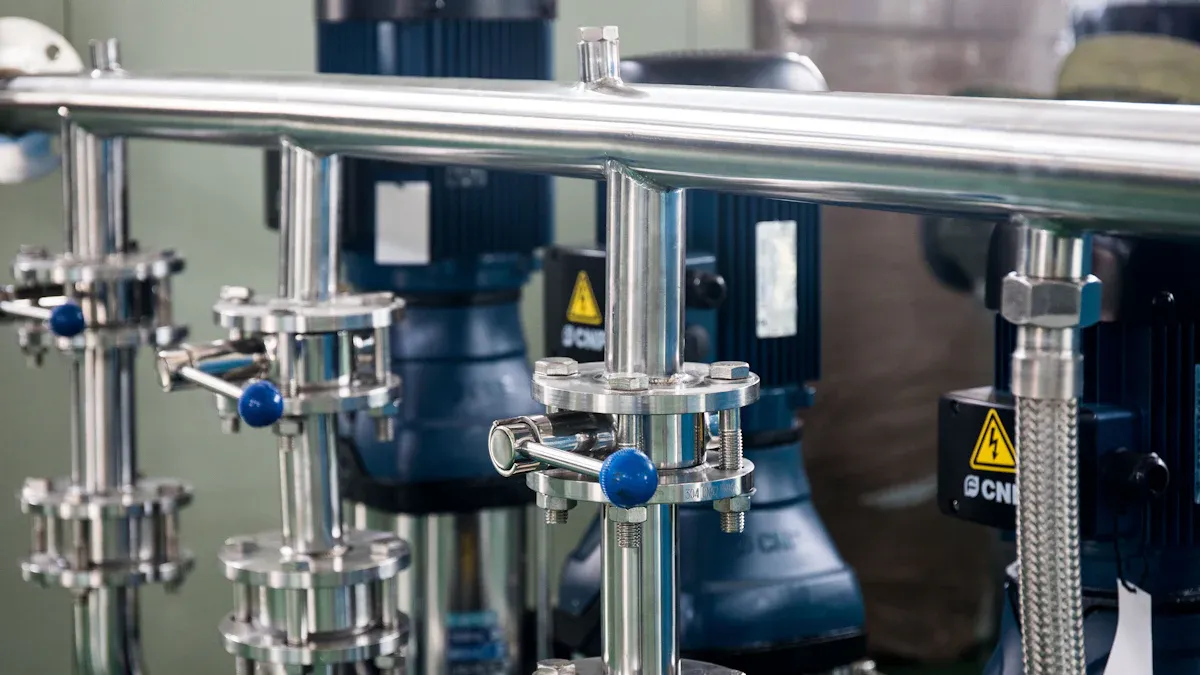
Water Solenoid Valves offer precise, automated control over fluid flow. They help industries optimize processes and reduce waste. These valves also make operations more reliable across many sectors. This makes thewater solenoid valve a critical component in modern industrial settings. For example, an agricultural irrigation water solenoid valve ensures efficient watering. Many water solenoid valve applications benefit from their design. A Brass Water Solenoid Valve provides durability, while a Normally Closed Water Solenoid Valve offers default safety.
Key Takeaways
- Water solenoid valves control water flow with electricity. They help industries save water and energy.
- These valves make industrial systems safer and more reliable. They prevent accidents and reduce costly breakdowns.
- Water solenoid valves help many industries. They are used in HVAC, farming, cleaning, and medical devices.
- Choosing the right valve is important. Consider certifications, reliability, and how easy it is to install.
- Proper installation and regular cleaning make valves last longer. This helps them work well for a long time.
Understanding the Core: How a Water Solenoid Valve Works
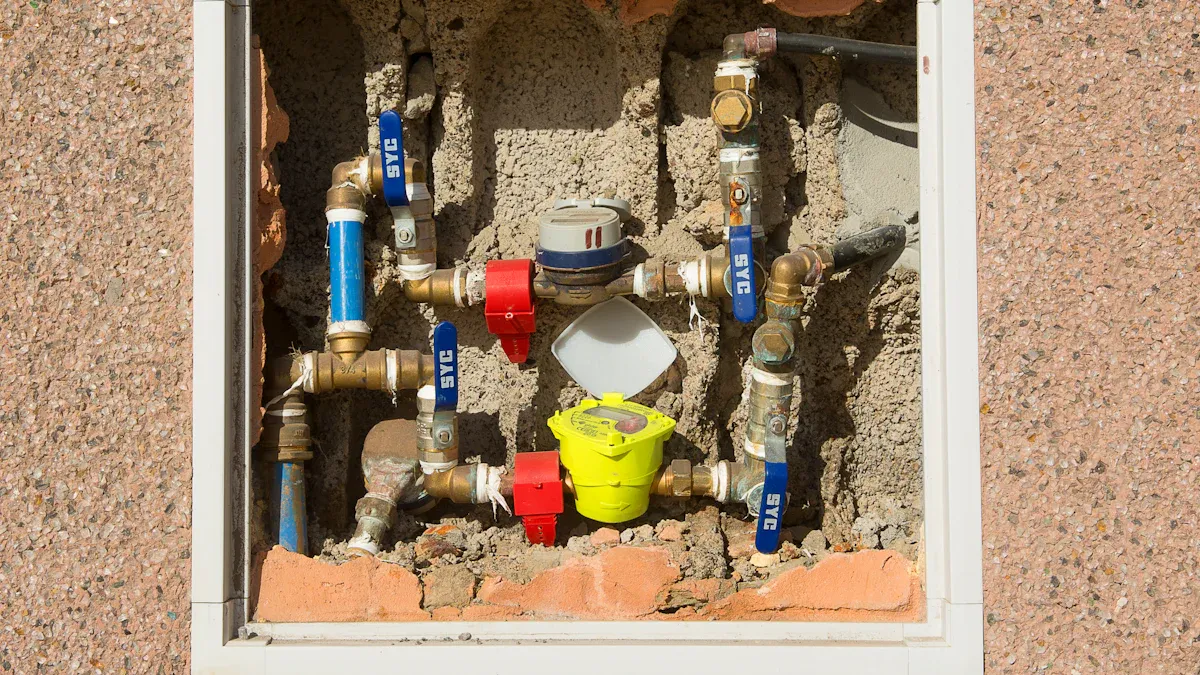
Defining the Water Solenoid Valve
A water solenoid valve is an electromechanical device. It precisely controls the flow of water or other fluids. This valve uses an electric current to open or close a pathway. It has several key parts working together to achieve this control.
- Valve Body: This main structure encases all internal parts. It provides the pathway for water to flow from the inlet to the outlet. Manufacturers often make it from durable materials like brass or stainless steel.
- Inlet and Outlet Ports: Water enters the valve through the inlet port. It exits through the outlet port. These ports connect to the upstream and downstream systems.
- Orifice: This small opening inside the valve body links the inlet and outlet ports. It is the critical point where water flow is either permitted or blocked.
- Solenoid Coil: Many people consider this the 'heart' of the valve. It consists of tightly wound copper wire. When energized, it generates a magnetic field. This field controls the mechanical parts that regulate flow.
- Plunger/Armature: This part moves to control the flow. The solenoid coil controls its movement. For Normally Closed Valves, it lifts to open the valve.
- Spring: This component returns the plunger to its original position. It acts when the valve is de-energized. For normally closed valves, it presses the armature down to close off flow.
- Diaphragm/Seals: These parts form a tight seal. They prevent leaks between valve body sections. The diaphragm also directly opens or closes the water path at the orifice.
The Mechanism of Water Flow Control
The core principle behind these valves is electromagnetism. A solenoid is a coil of wire. It generates a magnetic field when an electric current flows through it. Many solenoids include a movable metal core, called a plunger, inside the coil. When the coil is energized, the magnetic field pulls or pushes this plunger. This converts electrical energy into linear motion. This ability allows solenoids to control valve operations.
Here is how a water solenoid valve controls water flow:
- Energizing the solenoid: An electric current flows through the coil. This creates a magnetic field.
- Magnetic field effect: This field exerts a force on the plunger.
- Plunger movement: The magnetic force overcomes the spring's tension. This causes the plunger to move.
- Valve actuation: This movement either opens or closes the orifice. It controls the fluid flow.
- De-energizing: The current turns off. The magnetic field collapses. The spring then returns the plunger to its original position.
This simple yet effective mechanism allows for precise and automated control of water. It ensures efficient operation in many industrial settings.
Why Water Solenoid Valves Drive Industrial Efficiency
Precision Control and Automation Benefits
Water solenoid valves bring incredible precision to industrial processes. They allow businesses to automate tasks with great accuracy. For instance, in large irrigation systems, these valves precisely control the water supply to different zones. This ensures each area gets exactly the right amount of water. Similarly, in water treatment plants, they switch between various water sources with perfect timing. This keeps the treatment process smooth and efficient.
Some specialized valves, like proportional solenoid valves, offer even finer control. These valves do not just turn water on or off. They can continuously adjust the flow rate based on an input signal. This means they manage flow with extreme accuracy, which is crucial for sensitive operations.
Then there are three-way solenoid valves. These go beyond simple on/off functions. They can mix fluids from two different sources. Or, they can divert fluid from one inlet to two different destinations. Imagine a system needing to combine two liquids. A three-way valve can open one inlet while closing another, then switch to open the second inlet for precise mixing. For diverting, it directs fluid to one path, then switches it to another. This advanced control helps industries manage complex fluid dynamics effortlessly.
Optimizing Water and Energy Resources
Using water solenoid valves also leads to significant savings in water and energy. These valves precisely manage fluid and gas flow, especially in systems like HVAC and water management. In HVAC, they regulate refrigerants, water, and air. This ensures accurate temperature control and zoning. They prevent energy waste in areas that are not in use. When connected to occupancy sensors or building management systems, they automatically adjust HVAC output based on real-time needs. Their quick response stops overcooling or overheating, cutting down on unnecessary energy use.
In water management, these valves minimize water usage. They prevent leaks and control flow in irrigation and other applications. When combined with smart sensors and timers, they create efficient schedules and detect unusual water use. This saves a lot of water.
The benefits extend to the bottom line. Companies see a significant reduction in operating costs. Lower energy use directly cuts energy bills, potentially saving thousands of euros each year per plant. This also means a lower environmental impact. Less energy consumption leads to fewer CO₂ emissions, helping companies meet sustainability goals. The investment in these valves often pays for itself quickly, usually within two to three years.
Modern water solenoid valve designs focus on energy efficiency. They use low-power consumption coils and optimized magnetic circuits. Smart control systems further reduce energy use while keeping operations reliable. Some designs even include energy recovery systems. These innovations make the valves more sustainable and cost-effective for long-term industrial use. For example, some advanced valves reduce their operating temperature from 92°C to just 52°C. This makes the workplace safer and reduces the risk of burns. This lower temperature also means components last longer and need less maintenance. Plus, some newer valves operate silently, eliminating annoying buzzing or whistling noises.
Enhancing Safety and System Reliability
Water solenoid valves play a crucial role in making industrial systems safer and more reliable. They come with features that protect both equipment and personnel. For instance, many valves include manual override levers. These allow workers to operate the valve by hand during power outages or maintenance. This ensures control even when automated systems are down. Position indicators also provide visual or electronic confirmation of whether the valve is open or closed. This is vital for monitoring system integrity.
In dangerous environments, explosion-proof coils are essential. These coils prevent sparks that could ignite flammable gases or dust. This significantly enhances safety in volatile industrial settings. For critical safety applications, Normally Closed (NC) valves are a common choice. These valves stay shut if power is lost. This prevents unintended fluid flow and potential accidents, adding a layer of protection.
High-quality solenoid valves directly improve a system's reliability and safety. They also contribute to long-term cost efficiency. Poor-quality valves, on the other hand, lead to early failures, bad sealing, and inconsistent operation. This results in costly downtime. Good valves feature robust materials like stainless steel or brass. They have superior seals and well-built coils with good insulation. They also offer fast and consistent response times and hold important certifications.
Companies can proactively replace worn solenoid valves. This can reduce unplanned downtime by 30–50%. Catching small issues early prevents damage to other equipment, making everything last longer. Intelligent monitoring of these valves protects uptime, safeguards production, and strengthens a company's competitive edge. Some plants even use a two-solenoid safety method. This allows them to test the water solenoid valve online. This practice protects the plant, improves uptime, and helps meet functional safety requirements.
Reducing Operational Costs and Waste
Industries always look for ways to save money and use resources wisely. These valves offer a powerful solution. They help businesses cut down on operational costs and reduce waste significantly. Think about how much money a company can save by simply not wasting materials.
First, consider waste reduction. These valves provide exact control over fluid flow. This precision means systems use only the amount of water or other liquids they need. For example, in a manufacturing plant, a precise valve ensures a machine gets the exact amount of coolant. It prevents spills and overflows. This stops expensive chemicals or water from going down the drain. In food processing, accurate dispensing of ingredients means less product waste. This directly saves money on raw materials.
Tip: Precise fluid control not only saves resources but also helps meet environmental regulations by reducing discharge.
Next, let's look at how they lower operational costs.
- Less Maintenance: When systems run smoothly and precisely, other equipment experiences less stress and wear. This means fewer breakdowns and less need for repairs. Companies save money on replacement parts and technician visits.
- Lower Labor Costs: Automation is a big part of cost savings. These valves work automatically. They do not need someone to constantly watch or adjust them. This frees up workers to focus on other important tasks. It reduces the need for manual labor in routine fluid management.
- Energy Savings: We already talked about energy efficiency. Less wasted water or fluid also means pumps work less hard. This uses less electricity. Over time, these small savings add up to big reductions in energy bills.
- Reduced Downtime: Reliable valves mean fewer unexpected stops in production. Every minute a factory is not running costs money. By preventing issues related to fluid control, these valves help keep operations moving. This protects a company's bottom line.
Imagine a large car wash facility. Without precise control, it might use too much water and soap for each car. This wastes resources and increases utility bills. With automated valves, the system delivers the exact amount needed. This saves thousands of liters of water and gallons of soap every month. This also means less wastewater to treat, which can also be costly.
In essence, these valves act like careful managers for your fluids. They ensure every drop counts. This leads to a leaner, more efficient operation. Companies see direct financial benefits and also contribute to a more sustainable future.
Diverse Applications of Water Solenoid Valves Across Industries

Solenoid valves are not just simple components. They are essential tools that power efficiency and automation across many different industries. These valves precisely control fluid flow. This makes them indispensable in various applications, from keeping buildings comfortable to growing food and cleaning industrial equipment.
HVAC Systems and Climate Control
Solenoid valves play a big role in heating, ventilation, and air conditioning (HVAC) systems. They help manage climate control in buildings. These valves regulate the flow of refrigerants, water, and air. This ensures accurate temperature control and creates different temperature zones. For example, they can stop energy waste in areas that are not in use.
When connected to occupancy sensors or building management systems, these valves automatically adjust HVAC output. They respond to real-time needs. Their quick response stops overcooling or overheating. This cuts down on unnecessary energy use. Imagine a large office building. Solenoid valves can turn off the AC in empty conference rooms. This saves a lot of electricity.
Smart Irrigation and Agriculture
In agriculture, solenoid valves are crucial for smart irrigation systems. These systems help farmers use water wisely. They address global concerns about water scarcity. They also promote sustainable farming practices. Historically, irrigation control was manual or based on simple timers. Modern systems use sensors, microcontrollers, and wireless communication. They use real-time data from soil moisture sensors, weather stations, and crop growth models. This information tells the valves exactly when and how much water to deliver to crops.
Tip: Smart irrigation systems use advanced algorithms to precisely control water delivery. This reduces waste and improves irrigation efficiency.
Solenoid valves can be programmed to open and close at specific times. This ensures consistent water distribution. Accurate control prevents overwatering or underwatering. This leads to efficient water usage. These valves also integrate with sensors and timers. This automates irrigation schedules and reduces manual work.
Energy efficiency is also very important for solenoid valves in smart irrigation. Minimizing power use during valve operation is a key challenge. Advanced control algorithms use pulse width modulation (PWM) techniques. These techniques reduce power by applying short, high-frequency current pulses instead of continuous power. This maintains valve positions with less energy. Intelligent control algorithms also optimize how often valves open and close. They analyze soil moisture data, weather forecasts, and plant water needs. This approach minimizes unnecessary valve actions. It ensures adequate water distribution while saving energy and reducing wear on components.
Industrial Washing and Cleaning Processes
Solenoid valves are vital for automating industrial washing and cleaning processes. They manage the flow of water, detergents, and other cleaning agents. This ensures precise and efficient fluid management. For example, in an automatic car wash, solenoid valves regulate the release of high-pressure detergent water. This breaks down dirt and debris.
These valves are crucial for many stages in cleaning operations:
- Soap and wax metering: They dispense exact amounts for optimal cleaning and finishing.
- Low-pressure functions: They control foam for brushes, manage tire cleaning solutions, and regulate presoak application. Presoak helps loosen dirt and grime.
In industrial settings, solenoid control valves are essential for automation and process control. They manage fluid and gas flow with minimal plumbing and wiring. This enhances efficiency in fluid management. It also reduces the need for manual intervention. These valves contribute to energy efficiency and operational reliability. They are ideal for applications needing exact dosing, timing, and sequencing. This precision enhances efficiency, safety, and productivity in manufacturing and processing industries.
Water Treatment and Filtration Systems
Water treatment and filtration systems rely heavily on solenoid valves. These valves are essential for controlling liquids and gases. They provide precise, automated control throughout the entire treatment process. This ensures clean and safe water for everyone.
Think about how they help:
- Control Flow: Solenoid valves manage the flow of water and chemicals. They direct wastewater through different treatment stages.
- Chemical Dosing: They allow accurate dosing of chemicals. This is crucial in industrial wastewater treatment.
- Backwash Cycles: These valves manage backwash cycles in filtration systems. This keeps filters clean and working well.
- Aeration Systems: In municipal plants, they precisely control aeration systems. They also optimize wastewater distribution.
- Advanced Treatment: Solenoid valves are critical components in modern systems. This includes membrane filtration, reverse osmosis plants, and advanced oxidation processes. These systems help with water reuse and recycling.
Modern solenoid valves often connect with electronic control systems. This allows for precise and programmable operation. They can even use pulse-width modulation for fine flow control. They also offer diagnostics and adaptive control based on sensor inputs. This means the system can adjust itself as needed.
Food and Beverage Processing Automation
The food and beverage industry demands high standards for hygiene and precision. Solenoid valves are key players in automating these processes. They act like switches, managing the flow of liquids or gases. They convert electrical signals into exact fluid movements.
Here is how they help:
- Controlling Fluid Flow: They manage everything from water to ingredients.
- Ensuring Hygiene: Manufacturers make these valves with sanitary-grade materials. They use FDA-approved seals. This ensures safe, contamination-free operations.
- Enabling Automation: Solenoid valves simplify complex manual tasks. They boost productivity and improve safety. They integrate into automated systems, often linking to PLCs for central control.
- Precision and Timing: They make sure fluids are controlled in exact quantities. They also operate at precise moments. This is critical for applications like bottling lines.
- Rapid Response: These valves can switch states quickly. This allows for real-time responses to system inputs. They work well in feedback-controlled and sensor-driven applications.
Specific applications include beverage bottling and filling lines. They also work in Clean-in-Place (CIP) systems and steam sterilization systems. These valves help keep food and drinks safe and consistent.
Medical and Pharmaceutical Accuracy
In the medical and pharmaceutical fields, accuracy is not just important; it is life-saving. Solenoid valves ensure extreme precision in fluid dispensing. They are vital components in many critical devices.
Consider these examples:
- Dialysis machines: Solenoid valves regulate dialysate solution flow. They ensure consistent treatment sessions for patients.
- Infusion pumps: These valves administer precise medication doses. They minimize risks of over- or under-dosing.
- Automated blood analyzers: Valves accurately deliver tiny reagent volumes. This provides reliable test results.
- Insulin pumps: Solenoids provide controlled insulin delivery. They help maintain glucose levels and prevent diabetes complications.
- Microfluidic systems: They control minute fluid volumes. This promotes reproducibility in rapid DNA analysis or point-of-care diagnostics.
These valves preserve steady pressure and predictable flow rates. This is crucial for medical applications. Mismatched pressure or inconsistent flow can have serious consequences. They integrate with automation processes. This helps regulate fluid delivery in diagnostic equipment. For example, they work in blood, kidney, and genetic testing machines. This ensures accuracy. Automated calibration streamlines operations and reduces human error. This contributes to overall accuracy.
Solenoid valves also respond to live data inputs. In wearable monitors or drug delivery systems, they adjust fluid flow or gas levels. They do this based on changing conditions. For instance, ventilators fine-tune oxygen levels based on a patient's respiratory needs.
Manufacturers use specialized materials for these valves. They incorporate medical-grade plastics or stainless steel. This resists contamination and adverse reactions. This is crucial for devices interacting with bodily fluids or tissues. For example, corrosion-resistant valves are used for chemotherapy drugs. Manufacturers also customize solenoids. They handle specific demands. This includes small fluid flows in lab tests, high-pressure gas mixtures for oxygen therapy, and reduced contamination risks during dialysis. This ensures alignment with device and treatment needs.
Water solenoid valves ensure accuracy because they are built from high-grade, premium materials. These materials offer the highest possible chemical resistance. This design allows them to withstand rigorous cleaning and sterilization cycles. They maintain their functionality and precision over more than 3 million operations without intervention. This is critical for sustained accuracy in medical and pharmaceutical environments.
Fire Suppression System Activation
Fire suppression systems are crucial for protecting lives and property. Solenoid valves play a vital role in these systems. They act as the gatekeepers, quickly releasing suppression agents when a fire starts. Modern fire suppression systems rely on quick response (QR) solenoid valves. These valves significantly reduce the time between detecting a fire and activating suppression. This faster response can make a huge difference in controlling a blaze.
Technological advancements have made these valves even better. Improvements in materials science, electronic control systems, and fluid dynamics have driven their development. Today's QR valves handle high pressure and temperature conditions. This ensures they work reliably when needed most. Smart sensors and microprocessors also enhance their precision control. They adapt to different types of fires, making suppression more effective.
How do these valves activate a fire suppression system?
- The valve's clapper opens. Water flows from the supply into the system piping. This feeds the open sprinkler heads. The goal is to extinguish or control the fire.
- At the same time, the water flow activates alarms. These alarms alert occupants and emergency services.
- In older mechanical setups, water flows to a water motor. This motor spins a turbine. The turbine then drives a striker that hits a loud gong. This creates an audible alarm.
- Modern systems use an electronic pressure switch. Water flow activates this switch. It connects to the building's fire alarm control panel. This triggers audible and visual alarms. It also signals monitoring stations.
Engineers optimize the electromagnetic design of these valves. They refine coil winding, select better core materials, and improve magnetic circuit design. This helps accelerate magnetic field generation and collapse. Mechanical parts also see enhancements. Reducing the mass of moving parts and minimizing friction makes valves respond faster. They often use lightweight materials and optimized spring designs. Advanced electronic controls, like high-speed microcontrollers and predictive algorithms, also improve actuation speed. Fluid dynamics optimization helps too. Engineers enhance fluid flow characteristics within the valve. They optimize geometry, flow paths, and orifice designs. This reduces resistance and improves efficiency. Using materials with superior magnetic properties and precision manufacturing ensures tight tolerances and faster response.
Fire suppression systems often use Normally Open Solenoid Valves. This design ensures the suppression agent can flow freely even if power fails. A spring keeps the valve in its open position when the solenoid coil is not energized. When current applies, the magnetic field overcomes the spring force. This moves the plunger to close the valve. The plunger acts as the actuator. When the solenoid is de-energized, the spring holds the plunger away from the valve seat. This keeps the flow path open. When current applies, the magnetic field attracts the plunger. This moves it to close the valve. When current removes, the magnetic field disappears. The spring then reopens the valve. This design provides a critical safety feature.
Manufacturing Cooling and Lubrication
Manufacturing processes often generate a lot of heat. Machines also need constant lubrication to run smoothly. Solenoid valves are essential for managing cooling and lubrication in industrial settings. They ensure machines receive the right amount of fluid at the right time. This prevents overheating and reduces friction.
For example, CNC machines generate significant heat during operation. Solenoid valves precisely control the flow of coolant to the cutting tools and workpieces. This keeps temperatures stable. It prevents damage to the tools and ensures the quality of the finished product. In metal stamping or heavy machinery, lubrication is critical. Solenoid valves deliver lubricants to specific points. They ensure all moving parts stay well-oiled. This extends the lifespan of expensive equipment. It also reduces wear and tear.
Precise control from these valves minimizes waste. Machines use only the necessary amount of coolant or lubricant. This saves money on materials. It also reduces the environmental impact of disposing of excess fluids. By preventing machine breakdowns due to overheating or lack of lubrication, these valves also reduce costly downtime. They help maintain continuous production. This directly contributes to a more efficient and cost-effective manufacturing operation.
Selecting the Right Water Solenoid Valve for Your Needs
Choosing the correct water solenoid valve ensures your industrial processes run smoothly and efficiently. Several key factors guide this important decision.
Key Factors in Valve Selection
Many considerations help you pick the best valve for your specific application.
- Certifications: Always check for proper certifications. For example, NSF 372 ensures lead-free potable water. NSF 61 Annex G covers drinking water leachate. Uncertified products can be legally problematic in certain areas.
- Availability: Consider the manufacturer's ability to provide valves when you need them. Look for quick-shipment programs, local coverage, and good inventory. Evaluate lead times and delivery schedules.
- Reliability: The valve must resist leaks over many operating cycles. It needs to suit the specific pressures and temperatures of your application. Choosing valves with ratings slightly exceeding expected levels offers good protection.
- Connection Ease and Security: Quick-connect technologies are often better than traditional NPT connections. They prevent leaks and simplify installation.
- Ease and Economy of Design and Installation: Look for valves that simplify integration into filtration systems. This is especially true when dealing with different tubing materials like PEX, PVC, or copper.
- Availability of Normally Closed and Normally Open Versions: Suppliers offering both types give you design flexibility. This can also reduce costs by avoiding expensive diverter valves.
- Supplier Support: Evaluate the level and quality of support from the supplier. This includes technical assistance, specification help, and access to resources like 3-D engineering drawings.
Types of Water Solenoid Valves
Different applications require different valve types. You will find three main types of water solenoid valves.
- Direct-acting valves: These have a direct connection to the opening and closing armature. Their seal is part of the moving core. They stay closed even without pressure and do not use a diaphragm. They work best for low, zero, or negative pressure applications (under 100 psi) and low flow rates.
- Pilot-operated valves: These use the process fluid to help operate the valve. They need some pressure to stay closed and use a diaphragm. They work well for high flow rates and high-pressure applications (over 100 psi) where slow response times are acceptable. They use a pressure difference across their ports to operate.
- Semi-direct acting valves: These combine features of both direct and indirect valves. They can work with no pressure while handling high flow rates. The solenoid plunger directly controls the diaphragm position. This provides an amplified pressure difference for fluid flow. They suit a broad range of pressures, from zero to high (over 100 psi), and use less power.
Installation and Maintenance Considerations
Proper installation and regular maintenance extend the life of your valves. Before installation, confirm the power supply matches the coil specifications. Ensure the coil has good ventilation. Always mount the coil securely on the valve before powering it. Check for moisture inside the coil and dry it. Install an upstream filter to prevent sediment from entering the valve. Connect the valve in the correct direction, following the arrow on the body. Ensure flow and pressure specifications align with manufacturer limits.
For maintenance, keep solenoid valves clean and free of debris. Regularly inspect coils and electrical connections for damage or corrosion. Monitor media compatibility with valve materials. Control pressure surges using regulators or accumulators. Establish a preventive maintenance plan. This includes visual inspections, functional testing, and scheduled replacement of seals or diaphragms.
Water solenoid valves are more than just components; they drive efficiency, automation, and sustainability across many industrial applications. They offer precise control, optimize resources, and make systems more reliable. This makes them essential in modern industrial settings. Their advanced designs, smart monitoring, and energy-efficient operations ensure long-term sustainability. As industries face growing demands and stricter regulations, the Water Solenoid Valve will remain key to unlocking future advancements and ensuring a reliable, high-quality water supply for everyone.
FAQ
What is a water solenoid valve?
A water solenoid valve is an electrical device. It controls water flow. An electric current opens or closes a pathway. This allows precise, automated control in many systems. Think of it as an automatic tap.
How does a water solenoid valve save money?
These valves prevent waste. They precisely control water and energy use. This means lower utility bills. They also reduce equipment wear. This cuts down on maintenance costs and downtime.
Can you use any solenoid valve for water?
No, you cannot. You must choose a valve designed for water. It needs the right materials and pressure ratings. Always check the manufacturer's specifications for your application.
What is the difference between normally open and normally closed valves?
A normally closed valve stays shut without power. It opens when power applies. A normally open valve stays open without power. It closes when power applies.
How often should you maintain water solenoid valves?
Regular maintenance is important. Inspect them visually. Check for leaks. Clean them if needed. Replace seals or diaphragms on schedule. This keeps them working well and extends their life.