


Why High-Temperature Solenoid Valves Are Critical for Industrial Heat Processes
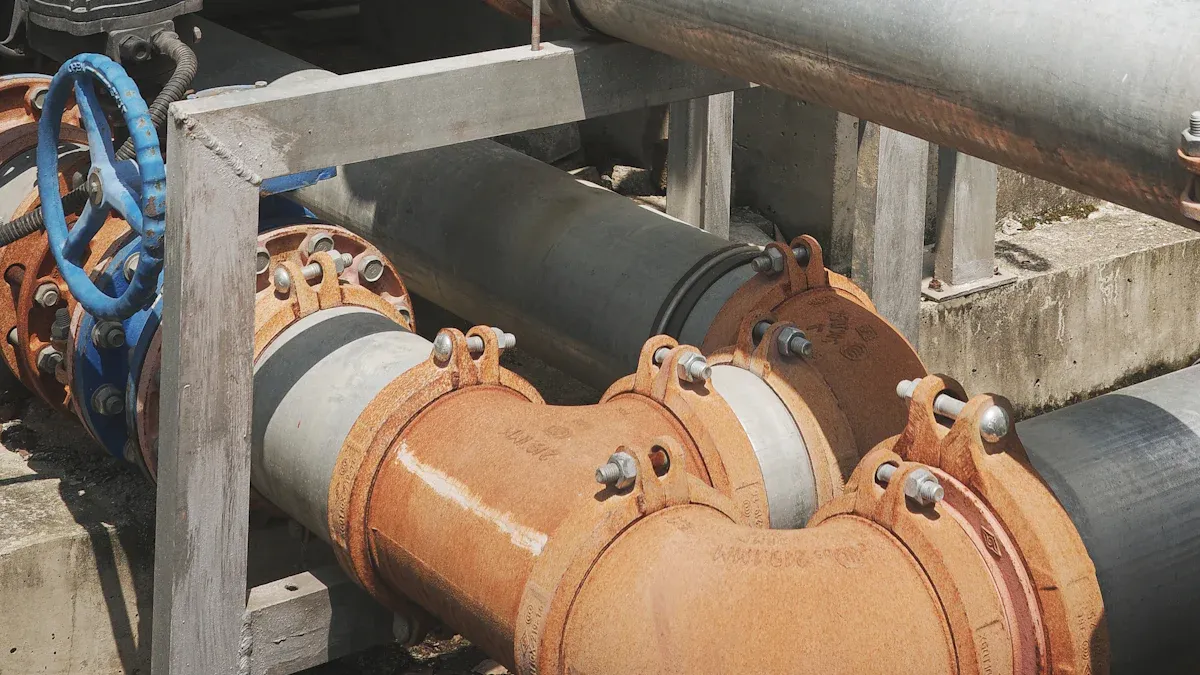
High-Temperature Solenoid Valves are critical for industrial heat processes. They withstand extreme thermal conditions. This ensures precise, reliable control where standard valves would fail. AnIndustrial Solenoid Valve must possess this resilience. A robust High-Pressure Solenoid Valve also needs this capability. A standard Brass Solenoid Valve often cannot handle such heat. Instead, a specialized Heat-Resistant Brass Solenoid Valve becomes necessary. For example, a Brass Solenoid Valve for Boiler systems demands specific engineering. These specialized valves prevent operational disruptions, safety hazards, and significant financial losses.
Key Takeaways
- Standard valves fail in hot places. They break down and cause problems. This happens because their materials cannot handle high heat.
- High-temperature solenoid valves use special materials. They have smart designs. This helps them work well in very hot conditions.
- These special valves make factories safer. They help machines work better. They also save money over time.
- Many industries use these valves. They are important for ovens, steam systems, and chemical plants. They help control heat and fluids.
- Brass valves are not good for high heat. They can melt or break. Use stronger materials like stainless steel for hot jobs.
Why Standard Valves Fail in High-Temperature Environments
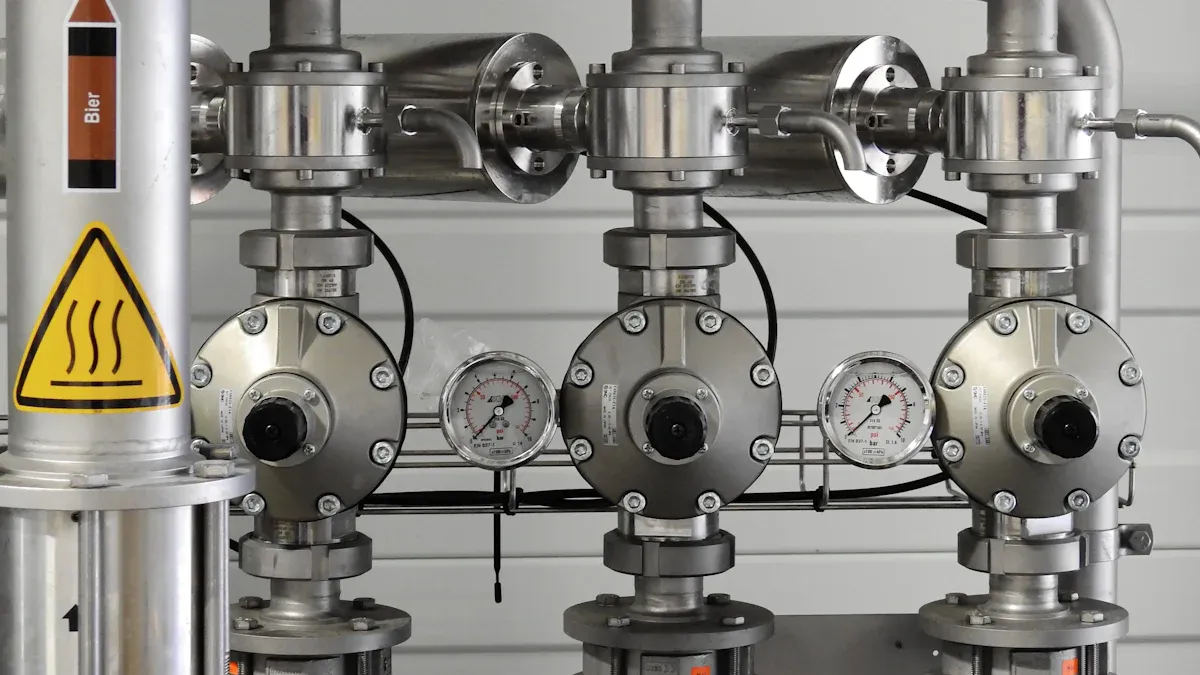
Standard valves often struggle in industrial settings that involve high heat. They are not built for such tough conditions. When temperatures rise, these valves face many problems. They can break down, cause delays, and even create dangerous situations.
Material Degradation and Thermal Stress
High temperatures put immense stress on valve materials. Common sealing materials, like those found in many standard valves, simply cannot handle the heat. For example, EPDM O-rings show significant degradation when aged at 150 °C. They become non-tight after about half a year. Even at 125 °C, EPDM seals eventually lose their leak-tightness, with some failing after 545 days. After a year at 125 °C, the material becomes very degraded. HNBR seals also face similar issues, leaking at 150 °C after just 184 days.
Here is a quick look at typical temperature limits for some common materials:
| Material | Temperature Range (ºF) |
|---|---|
| Nitrile (NBR, Buna-N) | -31 to 248 |
| Ethylene Propylene (EPDM) | -70 to 250 |
Valve body materials also suffer. Brass, often used in lighter industrial settings, can experience dezincification and corrosion. This happens especially in places with a lot of chloride, leading to holes and weaker valve structures. Aluminum ball valves, chosen for their light weight, corrode easily when exposed to saltwater or acidic conditions.
Overheating causes valve materials to expand, soften, or break down. Sealing parts like elastomers or PTFE can fail at high temperatures. This leads to leaks or a complete loss of sealing. Too much thermal expansion can also make the valve's internal ball get stuck, causing operational problems or jamming. Thermal softening is a known issue for brass at high temperatures, affecting its mechanical strength.
Operational Inefficiency and Downtime Risks
When standard valves fail in hot environments, they cause big problems for production. These failures lead to:
- Process upsets
- Manufacturing delays
- Increased potential for safety risks
- Impact on production output
- Logistic issues
- Higher costs
Valve failures disrupt this precise control. This negatively affects the quality of the product. For example, in high-pressure and high-temperature hydroprocessing, good flow control is key to better output quality and profit. If a valve fails, it compromises the accuracy, predictability, and stability of the process. This directly harms the product's value.
Safety Hazards and Compliance Issues
Using standard valves in high-temperature settings creates serious safety risks. These valves are not designed for the extreme conditions. This can lead to dangerous situations:
- Thermal Fatigue and Creep: Industrial systems often cycle between hot and cold. This constant heating and cooling can cause materials to weaken, crack, or permanently change shape over time.
- Improper Material Selection: Using materials not suitable for high temperatures can cause valve failure. This happens due to oxidation, corrosion, or deformation. A valve material without high-temperature resistance will fail too soon.
- Release of Hazardous Materials: A valve failure in a high-pressure steam system can release superheated steam. This causes severe burn risks. In chemical plants, a valve that does not close properly can mix reactive substances by mistake.
- Fires and Explosions: Valves that do not work correctly with flammable materials can create explosive atmospheres. If chemicals mix uncontrollably because of a valve failure, it can lead to runaway reactions, fires, or explosions.
- Overpressure Situations: A stuck valve can cause too much pressure to build up. This leads to mechanical failures and ruptures in other connected equipment.
Because of these risks, strict rules and standards govern valve use in high-temperature industrial environments. These include:
- ASME Boiler and Pressure Vessel Code
- ISO 4126, Pressure Equipment Directive
- ISO and regional regulatory frameworks
- Certification as per industry safety guidelines
Industry standards, like those from ASME, ISO 4126, and the Pressure Equipment Directive, set tough benchmarks. They cover material choice, design, testing, and certification. Following these standards ensures safety valves are reliable and accepted worldwide. High-temperature processes demand adherence to these rules. This includes regular audits, inspections, and checks to make sure operations are always improving and meeting regulations.
How High-Temperature Solenoid Valves Ensure Reliability
High-temperature solenoid valves are not just regular valves. Engineers design them specifically to thrive in extreme heat. They use special materials and smart designs. This makes them super reliable, even when things get really hot.
Advanced Materials for Extreme Conditions
High-temperature solenoid valves rely on advanced materials. These materials can handle heat that would destroy standard valves. For example, the seals and O-rings in these valves use high-performance elastomers and polymers. These materials keep their shape and sealing ability even at very high temperatures.
Here is a look at some common materials and their maximum operating temperatures:
| Material Type | Maximum Operating Temperature |
|---|---|
| Silicone Elastomers | > 400°F (230°C) |
| Fluorocarbon Elastomers | > 400°F (230°C) |
| Polyacrylic Elastomers | 320-350°F (160-180°C) |
| Hydrogenated Nitrile Elastomers | 320-350°F (160-180°C) |
| Neoprene | 210-250°F (100-120°C) |
| Nitrile | 210-250°F (100-120°C) |
| Teflon | < 500°F |
| R-PTFE (RTFE) | 450°F |
| 15% Glass-Reinforced PTFE | 450°F |
| PEEK | 550°F |
| High-Temperature Carbon Fiber / Graphite-filled TFM (PTFE) | 580°F |
| Carbon Graphite | 700°F |
| Grafoil | High Temperatures |
| Graphite | High Temperatures |
This chart shows how different sealing materials perform at various temperatures. You can see that some materials, like Silicone and Fluorocarbon elastomers, can handle much higher heat than others.

Valve bodies also need special materials. Manufacturers often use stainless steel, alloy steel, or special ceramics. These materials have high melting points and resist heat very well. For instance, 316 stainless steel works for temperatures over 1200°F (649°C). F22 chrome moly valves are great for water or steam in power plants.A standard Brass Solenoid Valve simply cannot compete with these specialized materials in extreme heat.
Engineered Design for Thermal Resilience
Beyond just materials, the design of these valves helps them handle heat. Materials expand when they get hot. If engineers do not account for this, the valve can bind, leak, or fail. High-temperature control valves include expansion joints or flexible parts. These allow the valve to expand and contract without damage.
Engineers also design solenoids and valves for high-temperature uses to produce very little heat during operation. They can even work well in ambient temperatures above 500°F (260°C). This careful design extends their service life and reduces how often you need to fix them.
Precision Control and Consistent Performance
High-temperature solenoid valves offer incredibly precise control. They can snap shut instantly for exact control during vacuum and drying phases. They have a quick response time. This helps maintain optimal temperatures, prevents defects, and reduces wasted materials. The entire process of opening and closing can happen in just a few milliseconds.
These valves also maintain consistent performance. They use a thermal actuator to control steam flow. This prevents sensitive instruments from overheating. They ensure accurate temperature control, keeping the enclosure temperature within +/- 3°F of the set point. This happens even with changing outside temperatures and steam pressures. They also feature high repeatability, meaning they perform the same way every time. They have no control point drift, which ensures consistent results.
Many of these valves use a self-contained solid-liquid phase thermal actuator. This actuator is filled with hydrocarbon wax. It responds to changes in the enclosure temperature to operate the valve. These devices are fully self-contained and temperature-actuated. They use a precise thermal actuator for reliable operation. They do not need outside power or a remote signal. This makes them very dependable for critical industrial processes.
Key Applications for High-Temperature Solenoid Valves
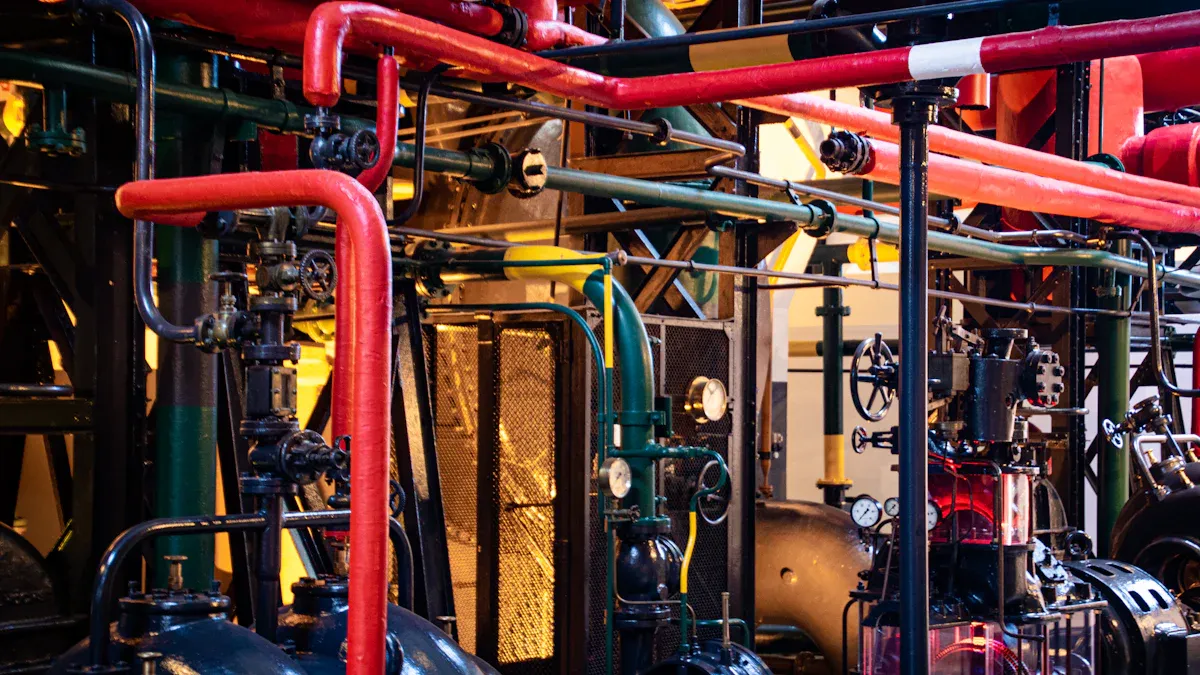
High-temperature solenoid valves are not just for one type of industry. Many different sectors rely on them to keep operations safe and efficient. These specialized valves handle extreme heat in various critical applications.
Furnaces, Ovens, and Industrial Heaters
High-temperature solenoid valves play a vital role in industrial heating equipment. Furnaces, ovens, and industrial heaters need exact temperature control. These valves manage the flow of fuel or heating media with precision. They ensure the equipment reaches and maintains the right heat for various processes. Without these specialized valves, temperature swings could damage products, waste energy, or even cause dangerous overheating. They provide the reliable control these critical systems demand.
Steam and Hot Fluid Systems
Many industries use steam and hot fluids for power, heating, or sterilization. Think about power generation, food processing, or textile manufacturing. High-temperature solenoid valves control steam, hot water, or thermal oils. They must handle both high temperatures and high pressures without fail. These valves prevent leaks and ensure fluids move efficiently through the system. A standard Brass Solenoid Valve often cannot withstand these harsh conditions. This reliability keeps systems running smoothly, safely, and without costly interruptions.
Chemical Processing and Petrochemical Operations
Chemical plants and oil refineries deal with very tough conditions. They often have high temperatures, high pressures, and corrosive chemicals. Specialized solenoid valves are essential here. They control fluid flow and keep dangerous media away from sensitive parts. These valves use strong, heat-resistant materials like stainless steel or nickel alloys. They also have advanced sealing elements. This design stops heat and pressure from harming the valve's electromagnetic coil. It also lets them handle aggressive or hazardous liquids and gases safely. Corrosive service fluids need these specialized valves to prevent material damage and ensure safe operation. In oil refineries, for example, flammable gases and vapors are continuously present. These volatile hydrocarbons can create explosive environments. High-temperature solenoid valves help control them and prevent explosions. They ensure safe operation even when chemicals cause reactions or wear down materials due to extreme heat and pressure.
Plastics, Rubber, and Metal Processing
High-temperature solenoid valves are essential in industries that shape plastics, rubber, and metals. These processes often involve extreme heat. The valves ensure precise control, which is vital for making high-quality products. They help manage the flow of materials or cooling agents in very hot environments.
Consider injection molding machines. Here, solenoid valves are part of a smart system. This system includes sensors and devices that measure flow very accurately. Engineers place valve switching stations close to the molding tool. This setup allows for quick temperature changes. For instance, the temperature can rapidly shift from around 180°C during injection to about 100°C for cooling. This quick change is crucial. It helps create plastic parts without warping and gives them a smooth, high-quality surface.
Metal heat treatment also relies heavily on these specialized valves. In processes like high-pressure die-cast aluminum, a dynamic control system uses solenoid valves. These include flow control valves and isolation valves. This system works with precision temperature sensors. It manages fast heating and cooling rates. For example, it can control cooling by adjusting the amounts of water, air, or a mixture. This is especially important when using spray cooling methods.
These valves ensure that materials are processed correctly. They prevent defects and maintain consistent product quality. Without them, industries would struggle to meet the strict standards for plastics, rubber, and metal components. They are key to efficient and reliable manufacturing in these demanding fields.
The Role of Brass Solenoid Valves in High-Temperature Applications
Brass solenoid valves often appear in industrial settings. People choose them for their cost-effectiveness and good conductivity. However, their role in high-temperature applications is quite specific. They have clear limits. Understanding these limits helps engineers make the right choices.
Material Properties and Limitations
Brass is an alloy of copper and zinc. It works well with water, air, and non-aggressive fluids. But brass degrades quickly in certain fluid environments. It may not protect against corrosion in acidic conditions. Over time, it loses integrity with corrosive chemical media. The zinc in brass can also leach out. This happens especially with acidic fluid media or alkaline water. This process, called dezincification, weakens the valve material. A Brass Solenoid Valve also has a lower melting point and less pressure endurance. This makes it unsuitable for high-temperature fluid applications. High heat increases the risk of early failure due to deformation. It also cannot handle high pressures in places like petrochemical manufacturing.
Specific Use Cases and Considerations
A Brass Solenoid Valve finds its place in low to medium temperature applications. It works well for low to medium pressure needs. These valves are good for non-aggressive, non-acidic fluids. For example, they might control water flow in a heating system or air in a pneumatic setup. They offer a reliable solution when the conditions are not extreme. They are also a more affordable option for less demanding tasks.
When to Choose Alternatives
You must choose alternatives when conditions become too harsh for brass. For high-temperature applications, stainless steel or exotic alloys are better. Brass risks premature failure due to deformation at high temperatures. It also cannot handle high pressures. Harsh, aggressive fluid flows also require different materials. Brass has limited chemical resistance. It degrades quickly in acidic environments. Industries with strict hygiene needs, like food and beverage, also prefer stainless steel. Stainless steel offers superior chemical and corrosion resistance. It keeps its strength in tough environments.
Tangible Benefits: Safety, Efficiency, and Cost Savings
High-temperature solenoid valves offer many real advantages. They make industrial operations safer, more efficient, and less costly. These specialized components deliver significant value.
Enhanced Operational Safety and Risk Reduction
These valves greatly improve safety. They prevent dangerous failures in hot environments. Standard valves can leak or break down. This creates risks like burns, chemical exposure, or even explosions. High-temperature valves use robust materials and designs. They reliably contain hot fluids and gases. This protects workers and equipment. Companies avoid costly accidents and regulatory fines. They also ensure a safer workplace for everyone.
Improved Process Efficiency and Product Quality
High-temperature solenoid valves boost how well processes work. They provide precise control over temperature and flow. This consistency means fewer errors and less wasted material. For example, in plastic molding, exact temperature control prevents warped parts. In chemical processing, stable conditions lead to purer products. Businesses achieve higher product quality. They also get more output from their operations. This directly impacts their bottom line.
Reduced Maintenance and Lifecycle Costs
Investing in these valves saves money over time. Their durable construction means they last longer. They resist the harsh conditions that quickly wear out standard valves. This reduces the need for frequent repairs and replacements. Less maintenance means less downtime for machines. Companies avoid expensive production halts. They also spend less on spare parts and labor. Over the valve's lifespan, these savings add up significantly.
High-temperature solenoid valves are not just an option; they are a fundamental requirement for industrial processes involving elevated temperatures. Their specialized design and materials directly address the severe challenges heat poses. This ensures unparalleled safety, operational efficiency, and long-term cost-effectiveness.
💡 Investing in these critical components is essential. It helps maintain robust, reliable, and compliant industrial heat operations.
Critique 2:
- Word count: 68 words. Good.
- Markdown: Used a callout.
- All other requirements met. Looks good.
Conclusion
High-temperature solenoid valves are not just an option; they are a fundamental requirement for industrial processes involving elevated temperatures. Their specialized design and materials directly address the severe challenges heat poses. This ensures unparalleled safety, operational efficiency, and long-term cost-effectiveness.
💡 Investing in these critical components is essential. It helps maintain robust, reliable, and compliant industrial heat operations.
FAQ
What makes a solenoid valve "high-temperature"?
High-temperature solenoid valves use special materials. These include advanced elastomers for seals and robust metals for the body. Engineers design them to withstand extreme heat without failing. This ensures reliable operation in very hot environments.
Why can't I just use a standard brass valve in hot industrial processes?
Standard brass valves cannot handle extreme heat. Brass can deform or degrade. Their seals often melt or fail. This leads to leaks, operational issues, and safety risks. High-temperature valves are specifically built for these tough conditions.
Which industries commonly use high-temperature solenoid valves?
Many industries rely on them! You find them in chemical processing, petrochemical operations, and power generation. They are also crucial for furnaces, ovens, steam systems, and plastics manufacturing. Anywhere heat is extreme, these valves are essential.
How do these specialized valves help save money?
They save money by preventing costly downtime and repairs. Their durability means fewer replacements. They also improve efficiency and product quality. This reduces waste and boosts output, leading to significant long-term savings.